
Each year, 460 million tons of plastics are produced globally. Of that, only 15 percent is collected for recycling and only nine percent is mechanically recycled. That means the vast majority is incinerated, dumped in landfills, or otherwise ends up in the environment.
Using methanolysis, Eastman is helping solve the world’s plastic waste crisis and reducing greenhouse gas emissions. They break down hard-to-recycle plastic waste – plastic that can’t be recycled mechanically – to its molecular level for new
products. Methanolysis is a molecular recycling technology that unzips polyester back to its original monomers. With these monomers, Eastman creates new plastic from waste.
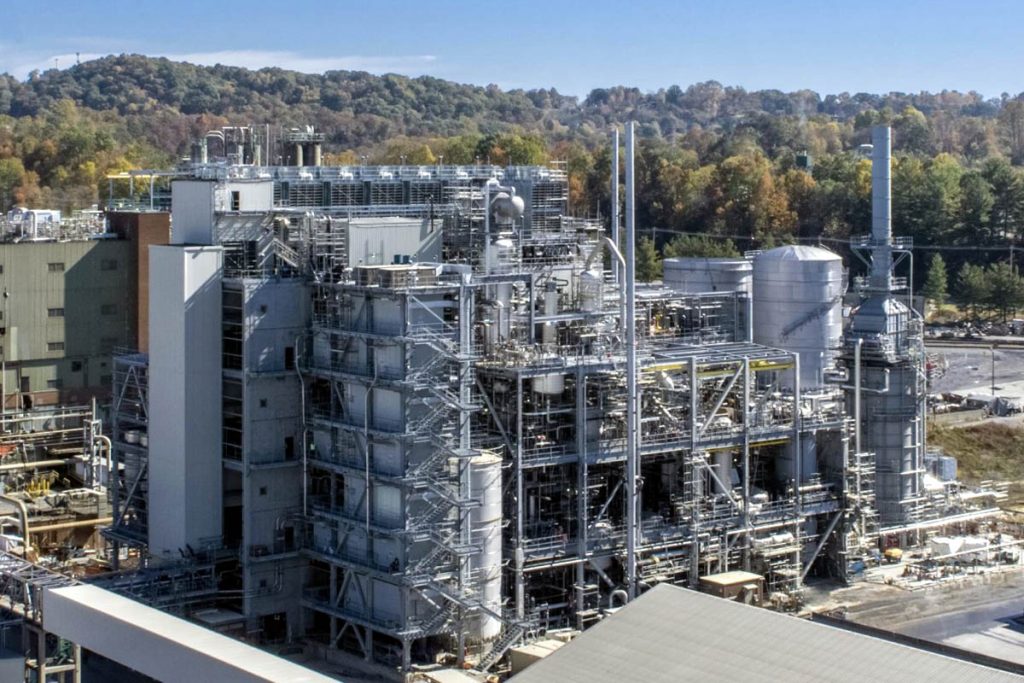
In March 2024, Eastman opened the world’s largest molecular recycling facility at their Kingsport, TN, site. Eastman’s technologies reduce greenhouse gas emissions compared to traditional fossil-based processes and divert plastic waste from landfills. They also provide a high yield material-to-material solution for hard-to-recycle materials, meaning more plastic waste is recycled and kept out of landfills. The technologies also operate with lower greenhouse gas emissions compared to traditional manufacturing processes, keeping fossil fuels in the ground.